
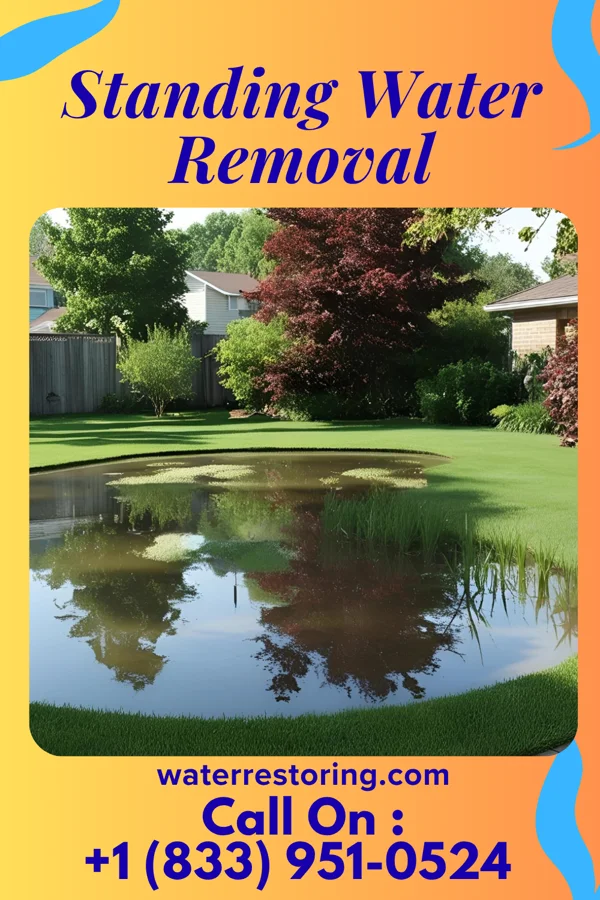
Standing Water Across Midway Neighborhoods
Every neighborhood in Midway has a different water damage risk profile. The one that shows up on most restoration calls is In Midway, Minnesota, water damage often stems from plumbing leaks in rural homes, particularly in older structures with outdated piping systems. Flooding from nearby rivers or heavy rainfall can also be a significant issue, especially during late spring and early fall when the area experiences frequent storms.. A close second is Secondary causes include backing up of sewer lines, burst water heaters, and accidental spills from farm equipment or livestock areas. These issues are common in the agricultural and rural communities surrounding Midway, where water sources are more prone to sudden disruptions..
Midway's climate, characterized by cold winters and warm, humid summers, increases the risk of condensation and mold growth in poorly ventilated homes. The area's proximity to waterways also raises the likelihood of seasonal flooding, which can lead to extensive water damage.
Water damage in Midway follows a few local patterns. In Midway, Minnesota, water damage often stems from plumbing leaks in rural homes, particularly in older structures with outdated piping systems. Flooding from nearby rivers or heavy rainfall can also be a significant issue, especially during late spring and early fall when the area experiences frequent storms. accounts for the bulk of our calls. Midway's climate, characterized by cold winters and warm, humid summers, increases the risk of condensation and mold growth in poorly ventilated homes. The area's proximity to waterways also raises the likelihood of seasonal flooding, which can lead to extensive water damage. Mold can develop rapidly in Midway due to the region's high humidity and frequent temperature changes. Prompt action is crucial to prevent health risks and structural damage, especially in homes with poor insulation or ventilation.